Dice Makers
Host and producer
2024, 11 episodes
World Generation
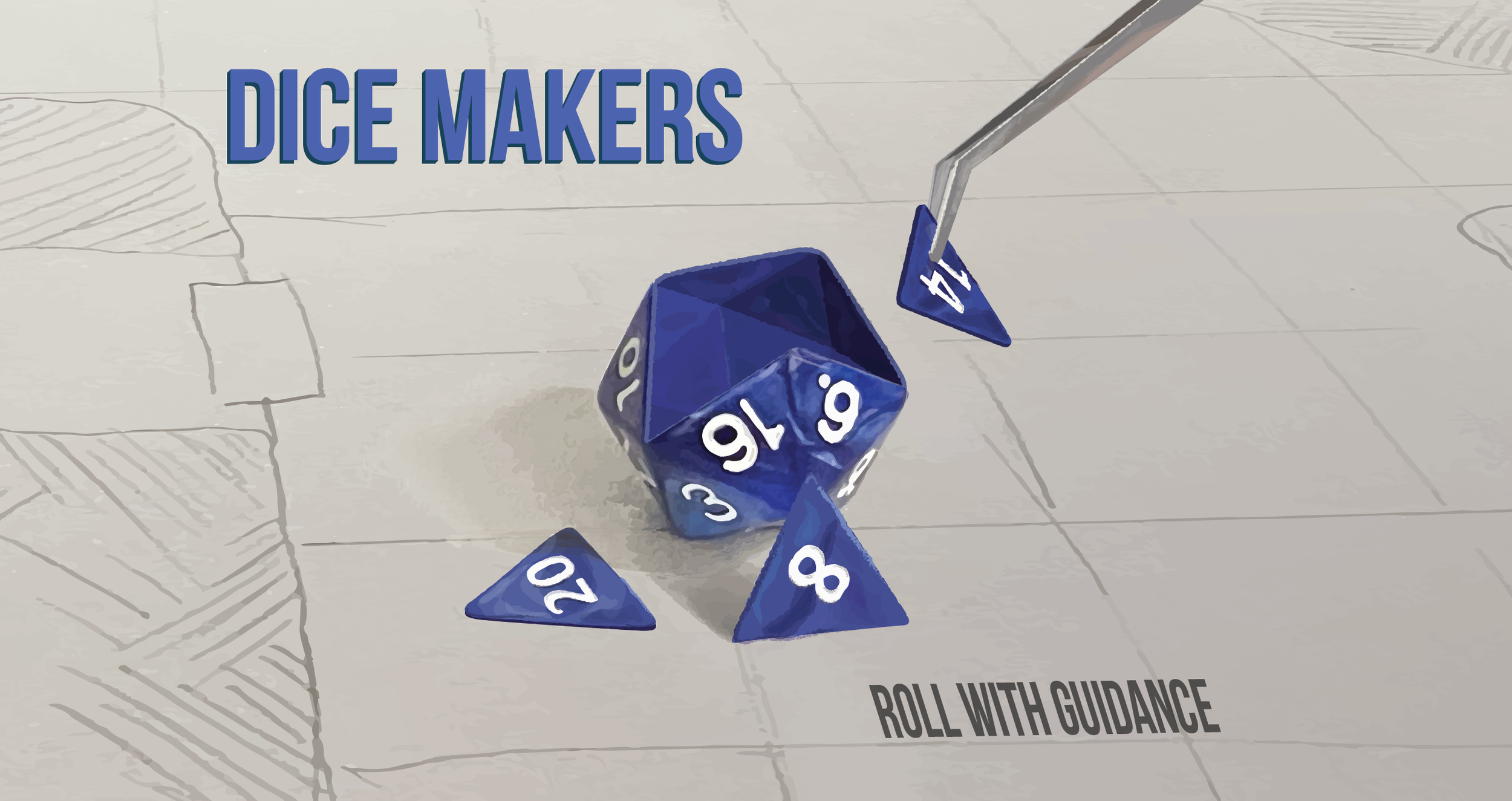
The game would begin with each player selecting a deck representing a political faction of the world. The decks allowed players to convert resources between Money, Political influence, Popular influence, and Criminal influence. Each deck had a different balance of access to these resources, based on the deck’s theme.
The players would take turns playing these cards, each themed with the action they are taking, such as “Ad campaign” to convert money into popular influence, or “Invest in tech” to grow money over time
Each deck would have its own unique win condition, and once one player reaches it, the game stops, and we write down or take a photo of the entire game state.
Now the players create TTRPG characters who live within this world, where there is a dominant faction ruling over the town, and smaller, weaker houses that hold only minor power. Players know the political landscape and even the underlying reasons, such as the strong influence good tech investments had on the current monopoly, and can use that information in their play.
The goal was to give players a deep knowledge of a world, and even a sense of ownership or familiarity with it, without any exposition.
NightRuin Combat
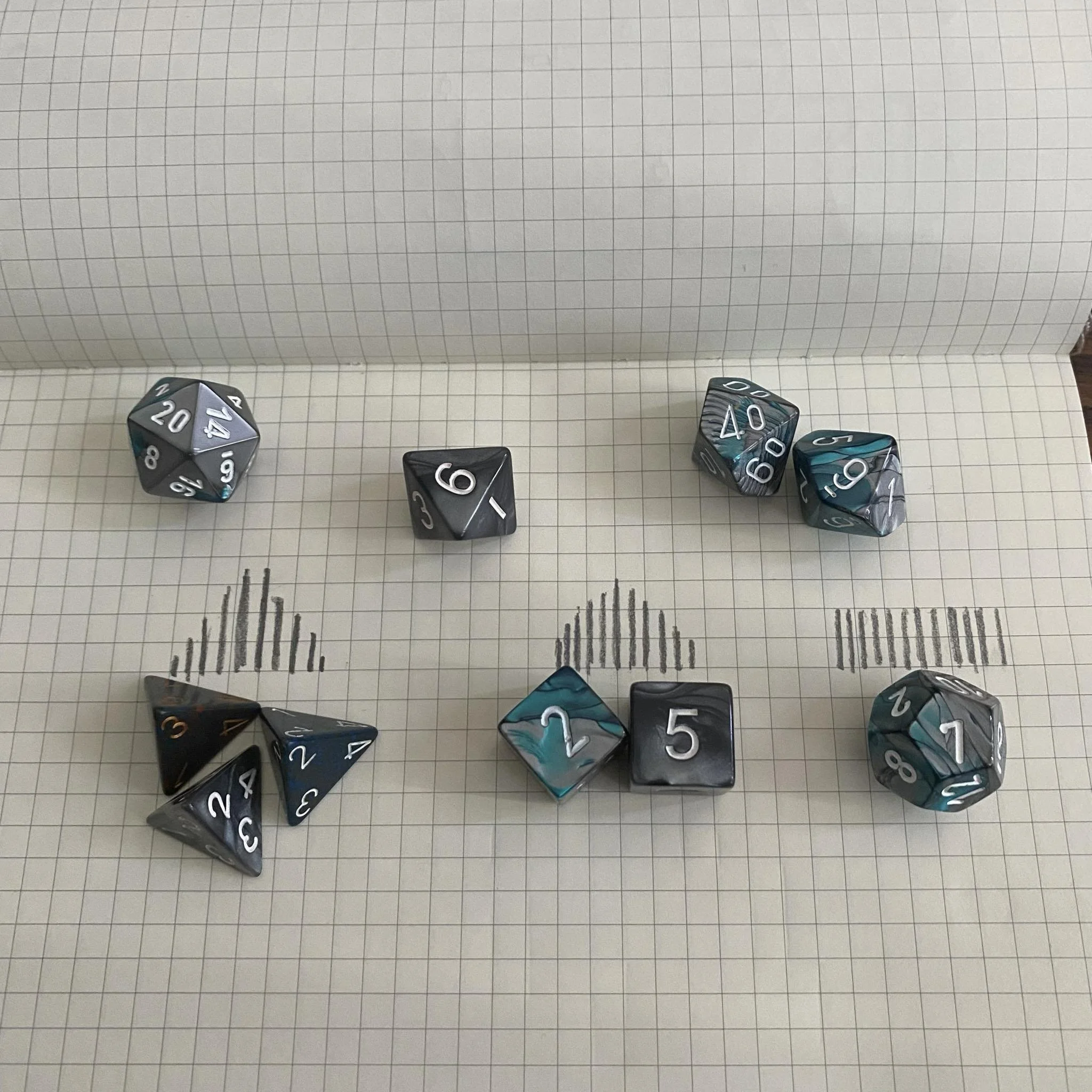
Our combat system centred around reaching 12 on 2d6 to wound enemies. The odds of doing that naturally are low, so players are encouraged to gain modifiers by imposing advantages and disadvantages, such as knocking the enemy prone, distracting them, blinding them, and so on.
The system succeeds in creating a gritty and grounded feel, and early in testing, it did achieve the goal of encouraging players to narratively describe their characters' movements. However, we did notice that the options for varied combat shrank fast. In a test where we wanted to see how back-to-back combat felt, after 4 hours of pure combat, the players stopped describing and started reusing moves frequently.
For the intended world, where the primary focus was espionage and role play, and combat was a rare last resort, I stand by the system, even if it is not ideal for a combat-focused game.
Creating greater variability options and more combat infrastructure would have grown its complexity beyond its importance in the system, and would have made the brief experiences with the combat system less enjoyable, with lots of rules used rarely.
Podcast discussions
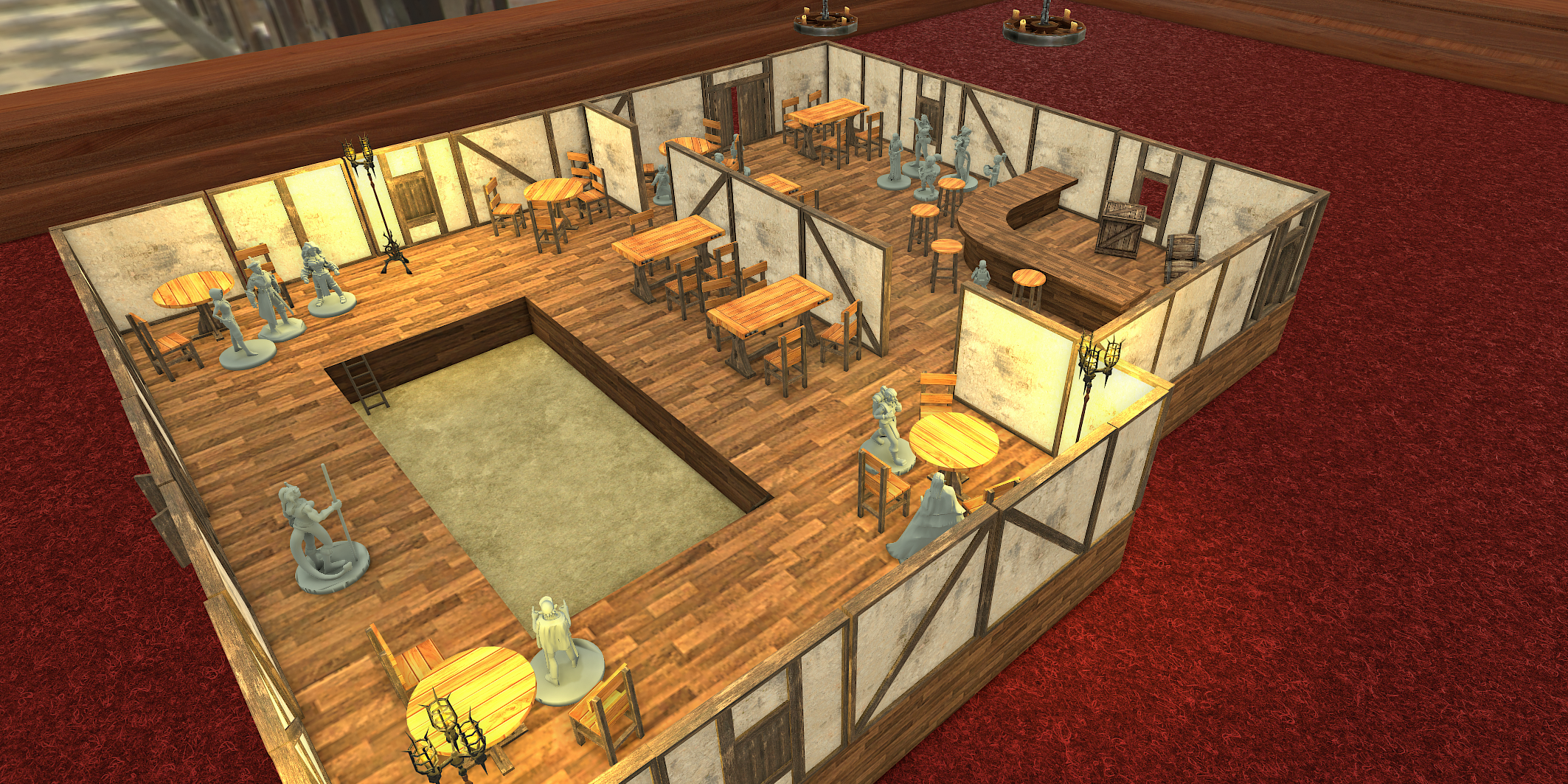
Outside of the creation of our own TTRPG, the Dice Makers also included general discussion on systems and structures. Some highlights include:
Why combat-focused systems are the default in many cases. How gamifying conversations in a spoken game feels wrong, and so they tend to lean physical.
Explorations of more grounded and realistic levelling, such as “solidifying” skills through repetition.
Softer skills at TTRPG tables, such as making choices feel meaningful through context.